
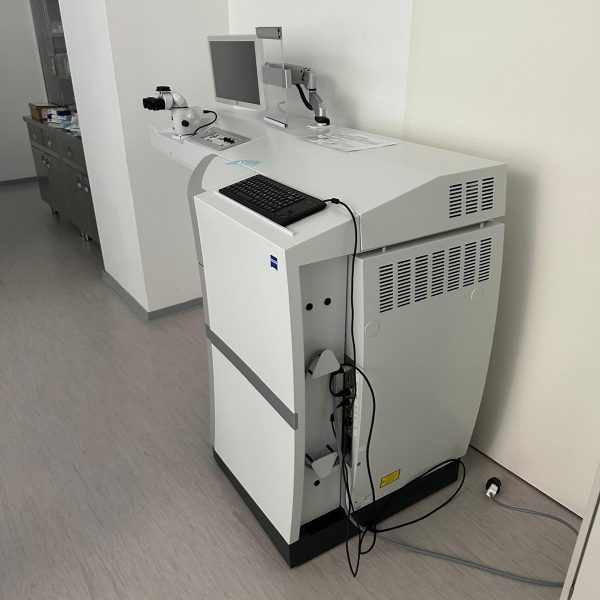

Excimer Lasers
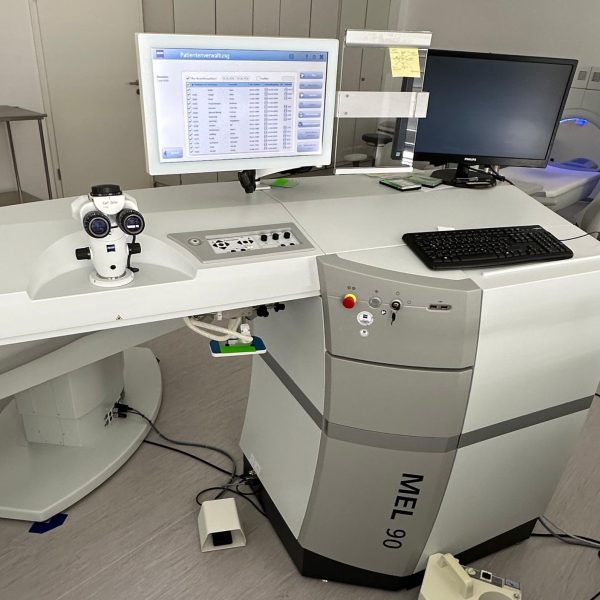
Excimer Lasers
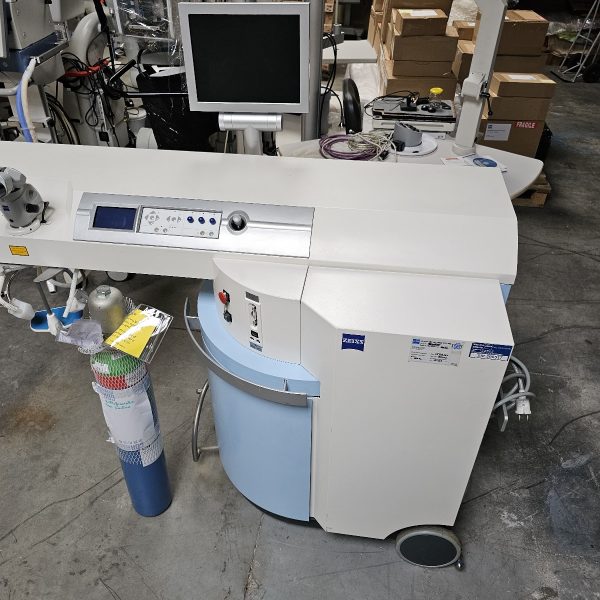

Excimer Lasers

Excimer Lasers
Excimer Lasers and Their Applications in Ophthalmology
Excimer lasers have revolutionized ophthalmology, becoming indispensable tools for corrective eye surgeries such as LASIK (Laser-Assisted In Situ Keratomileusis) and PRK (Photorefractive Keratectomy). These lasers offer precision, reliability, and exceptional outcomes in refractive surgery, reshaping the cornea to correct vision problems such as myopia, hyperopia, and astigmatism. This article delves into the science behind excimer lasers, their role in ophthalmology, and notable models such as the Zeiss MEL 90, Wavelight EX500, Allegretto WaveLight 400, and Visx STAR S4 IR.
What Is an Excimer Laser?
An excimer laser is a form of ultraviolet laser that utilizes a combination of noble and halogen gases to produce a 193-nanometer wavelength beam. This wavelength is highly effective in ablating corneal tissue without generating heat, ensuring minimal damage to surrounding tissues. The term “excimer” is derived from “excited dimer,” referring to the temporarily bonded noble gas and halogen molecules that emit photons when excited.
Applications in Ophthalmology
Excimer lasers are primarily used for corneal reshaping in refractive surgeries. They function by removing precise amounts of corneal tissue, allowing ophthalmologists to modify the cornea’s curvature and correct vision errors. Key applications include:
- LASIK Surgery: In LASIK, a thin flap is created in the cornea, and the excimer laser ablates tissue from the underlying stromal layer. This reshapes the cornea to improve the eye’s refractive properties.
- PRK Surgery: PRK involves removing the outermost layer of the cornea (epithelium) before using the laser to reshape the corneal surface. PRK is suitable for patients with thin corneas or those unsuitable for LASIK.
- Topography-Guided Treatments: Advanced excimer lasers can integrate corneal topography data to perform customized ablations, correcting irregular astigmatism or enhancing outcomes for patients with previous refractive surgery complications.
- Therapeutic Use: Excimer lasers can treat corneal scars, keratoconus, and other conditions requiring precise removal of diseased or damaged corneal tissue.
Benefits of Excimer Lasers in Ophthalmology
- Precision: Excimer lasers can ablate tissue at sub-micron levels, ensuring unparalleled accuracy.
- Minimal Thermal Damage: Their cool beam technology minimizes thermal damage, reducing postoperative inflammation.
- Customizable Treatments: Integration with wavefront and topography systems enables personalized treatment plans.
- Quick Recovery: Procedures performed with excimer lasers often result in faster visual recovery compared to older technologies.
Notable Excimer Laser Models
-
Zeiss MEL 90
The Zeiss MEL 90 is a highly advanced excimer laser system designed for optimal refractive surgery outcomes. Its features include:
- Dual Ablation Profiles: The MEL 90 offers two ablation speeds—250 Hz and 500 Hz—allowing surgeons to tailor treatments.
- Thermal Control: Advanced cooling systems reduce thermal effects on the cornea.
- Flexibility: The MEL 90 supports LASIK, PRK, and customized treatments, making it versatile for a wide range of refractive errors.
- Integrated Eye Tracking: This ensures precise ablation by compensating for eye movements during surgery.
-
Wavelight EX500
The Wavelight EX500 by Alcon is celebrated for its speed and precision. Key highlights include:
- Repetition Rate: With a 500 Hz ablation speed, the EX500 minimizes treatment times, enhancing patient comfort.
- Wavefront Optimization: The system incorporates wavefront-guided and topography-guided capabilities, ensuring personalized treatments.
- Eye Tracker: The EX500 features a 1050 Hz multidimensional eye tracker, ensuring accurate alignment during procedures.
- Small Spot Ablation: Its small beam diameter promotes smooth ablations and precise reshaping.
-
Allegretto WaveLight 400
The Allegretto WaveLight 400, also by Alcon, is known for its reliability and efficiency. Its defining characteristics include:
- Aspheric Profiles: These maintain the natural curvature of the cornea, reducing visual aberrations.
- Fast Treatment Times: With a 400 Hz ablation speed, surgeries are swift and efficient.
- Integrated Diagnostics: The system seamlessly integrates with diagnostic tools to optimize treatment plans.
- Wide Range of Indications: Suitable for correcting high degrees of myopia, hyperopia, and astigmatism.
-
Visx STAR S4 IR
The Visx STAR S4 IR is a popular choice among refractive surgeons for its advanced features:
- Iris Registration (IR): This ensures precise alignment of the treatment area by mapping the eye’s unique iris patterns.
- CustomVue Technology: Allows wavefront-guided treatments tailored to the individual’s visual needs.
- Variable Spot Scanning: Provides flexibility in ablation patterns for optimal results.
- High Accuracy: With its 3D ActiveTrak system, the laser compensates for eye movements during surgery.
Choosing the Right Excimer Laser
When selecting an excimer laser system, factors such as patient demographics, practice volume, and the desired scope of procedures should guide the decision. Each system has unique advantages, catering to specific needs in refractive surgery. For example:
- Zeiss MEL 90 is ideal for practices emphasizing thermal control and versatility.
- Wavelight EX500 stands out for its speed and wavefront capabilities.
- Allegretto WaveLight 400 excels in maintaining natural corneal curvature.
- Visx STAR S4 IR offers unmatched customization and alignment precision.
Future Trends in Excimer Lasers
The field of ophthalmology continues to innovate, with future trends focusing on:
- Integration with AI: Predictive algorithms may enhance treatment planning and outcomes.
- Improved Eye Tracking: Advanced systems could offer even greater precision by tracking finer movements.
- Minimally Invasive Procedures: Research aims to reduce corneal tissue removal further, enhancing safety and recovery.
Conclusion
Excimer lasers remain a cornerstone of modern refractive surgery, delivering precise, customizable treatments with minimal risks. Advanced models like the Zeiss MEL 90, Wavelight EX500, Allegretto WaveLight 400, and Visx STAR S4 IR exemplify the technological progress in this field. By offering tailored solutions for diverse patient needs, these systems ensure that excimer lasers will continue to be at the forefront of ophthalmic innovation for years to come.

VisuMax 500 Spare Parts: Laser Head & Scanner
Spare Parts for the VisuMax 500 Femtosecond Laser System: Focus on Laser Head and Scanner [...]
Read More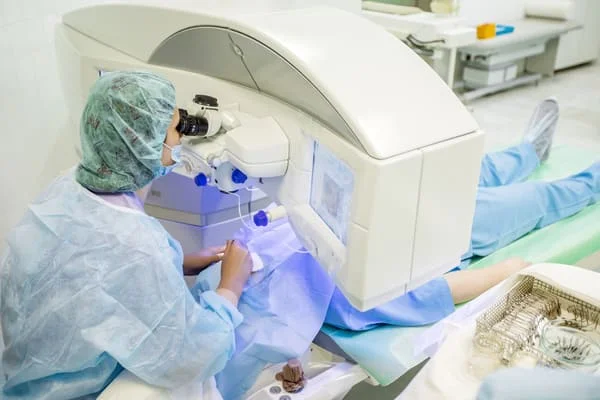
Purchasing Used VisuMax 500: What to Know?
The Importance of Maintenance and Spare Part Support When Buying a Second-Hand VisuMax 500 Femtosecond [...]
Read More
The Smart Choice: Buying Used Refractive Lasers
Why Purchasing Used Refractive Lasers is a Smart Choice Investing in refractive lasers is a [...]
Read More